

The Nirvana logo is one of the most recognizable symbols in music history, instantly associated with the grunge movement of the early 1990s. The logo, especially the iconic smiley face, has transcended music to become a global cultural emblem. From band merchandise and fashion to pop culture references, the Nirvana logo continues to attract massive interest decades after the band’s peak.
This guide provides the most complete breakdown of the Nirvana logo, including its origin, meaning, design elements, variations, and important legal considerations surrounding its use.
What Is the Nirvana Logo?
The term “Nirvana logo” usually refers to two main visual identities:
- The Nirvana Smiley Face Logo – A yellow, hand-drawn smiley with X-shaped eyes and a crooked tongue
- The Nirvana Wordmark Logo – The jagged, uppercase “NIRVANA” text used on albums and promotional material
Both logos are closely tied to the band’s identity, but the smiley face has become the most iconic and widely recognized version.
History of the Nirvana Logo
Nirvana formed in Aberdeen, Washington, in 1987, led by Kurt Cobain, alongside Krist Novoselic and later Dave Grohl. While the band initially focused more on music than branding, their visual identity evolved naturally as their popularity exploded.
The Smiley Face Origin
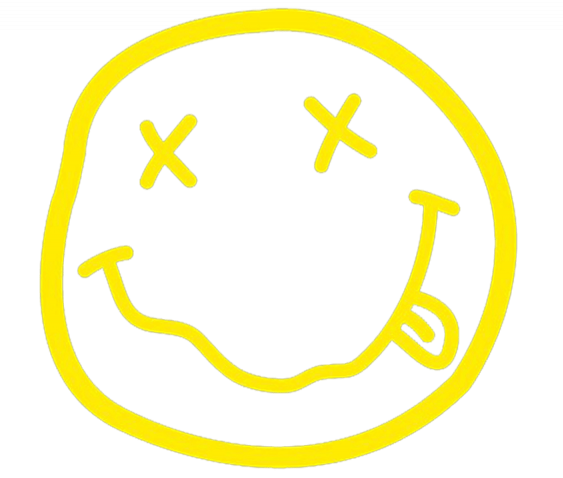
The smiley face logo appeared prominently around 1991–1992, during the release of Nevermind and the band’s global breakthrough. It was famously used on posters, merchandise, and tour materials.
The exact creator of the smiley face has been debated. Kurt Cobain is widely credited with conceptual involvement, though graphic designer Robert Fisher, who worked with Nirvana’s label, has been associated with refining or executing the design. Regardless of authorship debates, the logo became inseparable from the band’s image.
Meaning Behind the Nirvana Smiley Face
At first glance, the Nirvana smiley face looks playful, but its meaning is far more layered.
Key Interpretations
- Irony and Anti-Commercialism
The distorted smile reflects Nirvana’s critique of mainstream culture and forced happiness.
- Substance Use and Altered States
The crossed-out eyes and drooping tongue are often interpreted as a nod to intoxication or disillusionment.
- Grunge Aesthetic
Imperfect, raw, and deliberately unpolished, matching the sound and philosophy of grunge music.
Unlike traditional brand mascots, the Nirvana logo resists clean interpretation, which is exactly why it resonates so deeply with fans.
Nirvana Wordmark Logo Explained
The Nirvana wordmark is deceptively simple but highly effective.

Design Characteristics
- All-uppercase letters
- Slightly uneven, jagged strokes
- Hand-drawn appearance
- Yellow, black or white color variations
The typography mirrors the band’s raw sound and rejection of slick commercial design. Its irregularity gives it authenticity, aligning with Nirvana’s ethos of honesty and emotional intensity.
Variations of the Nirvana Logo
Over the years, several variations of the Nirvana logo have appeared.
Yellow smiley face on a black background


Yellow smiley face on a white background

Monochrome versions for print


Wordmark-only logo


Combined Smiley + Wordmark designs


Despite these variations, the core elements remain consistent, ensuring instant recognition.
Frequently Asked Questions About Nirvana Logo
The Nirvana logo has sparked curiosity for decades—from its mysterious smiley face to questions about who owns it and how it can be used today. In this FAQ section, we answer the most common questions people ask about the Nirvana logo, including its meaning, origins, copyright status, and whether it can be used for personal or commercial projects. Whether you’re a fan, designer, or brand researcher, these quick answers will help you better understand one of music’s most iconic symbols.
Why is the Nirvana logo so popular?
The enduring popularity of the Nirvana logo comes from several factors:
- Cultural Impact—Nirvana changed rock music forever.
- Timeless Design—Simple, expressive, and adaptable.
- Fashion Appeal—Frequently used in streetwear and high fashion.
- Generational Reach—Discovered by new audiences through streaming and pop culture.
The logo is worn not just by fans of the band but by people who identify with its rebellious spirit.
Is the Nirvana logo copyrighted?
Yes. The Nirvana logo is copyrighted and trademarked.
The rights are managed by Nirvana LLC, which oversees licensing, merchandising, and brand usage. The logo has been the subject of legal disputes, reinforcing that it is actively protected intellectual property.
What This Means for Use
❌ You cannot legally use the Nirvana logo for commercial purposes without permission
❌ Selling merchandise with the logo without a license is infringement
✅ Editorial use (news, commentary) may be allowed in limited contexts
✅ Licensed merchandise from official retailers is legal
If you plan to use the Nirvana logo for business, apparel, or branding, you must obtain proper licensing.
Can you download the Nirvana logo?
Many websites offer PNG or SVG downloads of the Nirvana logo. However, availability does not equal permission.
Important Note on Downloads
- Downloading images for personal reference or educational use may be acceptable
- Using downloaded logos for commercial projects without a license is illegal
- Always verify licensing terms before use
For legitimate use, it’s best to source the logo through official or licensed providers.
Does Nirvana logo appear in fashion and pop culture?
Yes. In fact, the Nirvana logo has appeared in:
- Major fashion brands
- Celebrity streetwear
- Social media aesthetics
- Album artwork tributes
- Film and television references
Its continued presence reinforces its status as more than a band logo—it’s a cultural symbol of rebellion, vulnerability, and authenticity.
Why does the Nirvana logo still matter today?
More than 30 years later, the Nirvana logo remains relevant because it represents:
- Emotional honesty
- Resistance to conformity
- The voice of youth disillusionment
- A defining era in music history
In a world of polished branding, the Nirvana logo’s imperfections feel more authentic than ever.
Final Thoughts
The Nirvana logo is not just a visual mark; it’s a symbol of an entire movement. Its raw design, layered meaning, and cultural significance have made it one of the most enduring logos in music history.
Whether you’re researching its history, admiring its design, or seeking clarity on legal usage, understanding the Nirvana logo means understanding Nirvana itself: unapologetic, influential, and timeless.
